Industry-Standard Hygiene Protocol for Operating Tables
Why is Hygiene Critical on the Operating Table?
The operating table is not just a surgical surface; it is also the first line of defense in infection control. Whether it's orthopedics, cardiovascular surgery, or neurosurgery, every operation begins with this surface. That's why leading manufacturers worldwide implement a five-step hygiene protocol to ensure both patient safety and equipment durability.
Below, we have summarized both the technical and practical applications of this protocol for you.
1. Preoperative Preparation: The First Step to Safe Cleaning
Cleaning encompasses not only the surface but also the process. First, protect yourself by wearing nitrile gloves, protective eyewear, and a mask. If you come into contact with blood or tissue residue, change your gloves immediately. The operating room's ventilation system should provide at least 15 air changes per hour (ACH ≥15). This both disperses chemical vapors and improves environmental hygiene. It is also important that surfaces retain less than 2% moisture after cleaning.
2. Removal of Organic Residues: Removing Visible Dirt
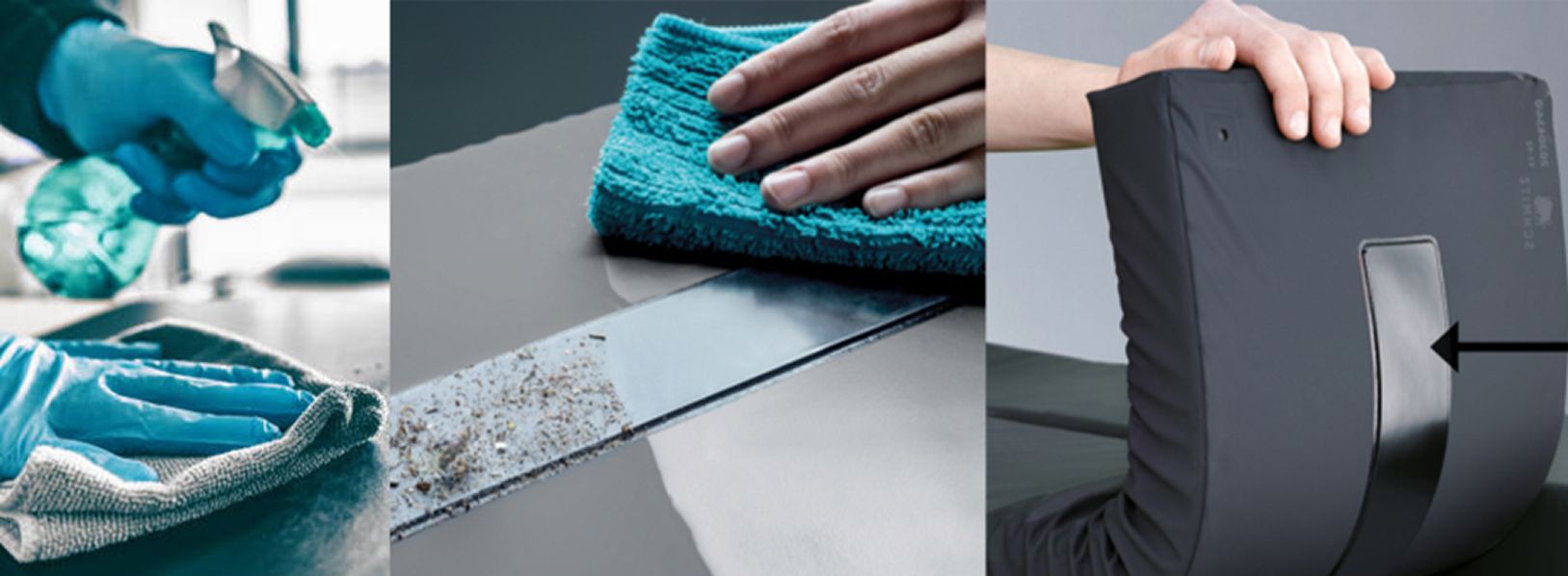
The first step is to remove visible dirt. Wipe away residues such as blood, tissue, fluid, and dust using a disposable gauze pad or microfiber cloth. Then, clean fine particles using a vacuum with a maximum pressure of 15 kPa to avoid damaging sensitive components. This process prepares the surface for effective chemical cleaning.
3. Chemical Disinfection with Clinically Approved Cleaning Products
At this stage, cleaning products that comply with the ISO 17664 standard should be preferred. The pH value of the solution to be used should be between 6.5 and 8.5 and should not contain ammonia, chlorine, or strong acids. Medical-grade detergents that do not damage the material should be selected. After evenly distributing the cleaning solution on the surface, wait 3–5 minutes. This time is critical for breaking down microorganisms that can lead to biofilm formation. According to GE Healthcare's recommendations, this application can increase cleaning effectiveness by up to 40%.
4. Rinsing, Drying, and Protective Surface Care
After chemical cleaning, the surface should be thoroughly rinsed with water at 20–30 °C, then completely dried with a microfiber cloth. It is important to keep the surface dry to prevent stains and water spots. It is recommended to apply a light protective spray or water-based polish to the stainless steel body at weekly intervals. This process fills microscopic scratches, strengthening the surface's passivation layer and increasing corrosion resistance.
5. Cushion and Upholstery Cleaning: Visco and Polyurethane Surfaces
For viscoelastic (memory foam) cushions, the surface should first be cleaned with a low-suction vacuum. Stained areas should be gently wiped with soapy water diluted at a ratio of 0.1%. Avoid using excessive water, and the cushion should be left to dry for at least 24 hours in a well-ventilated area away from direct sunlight.
For polyurethane upholstery, the surface should first be wiped with a neutral pH detergent diluted at a ratio of 1:100, then disinfected with 0.2% peracetic acid or 70% isopropyl alcohol. Silicone-based protectants applied monthly can increase the material's flexibility and durability by up to 30%.
6. Emergency Splash Response: Protocol for Blood, Gel, and Serum Spills
Unexpected splashes during surgery are common. A predetermined response protocol should be established for such situations. Blood, serum, or liquid spills should be quickly absorbed with an absorbent pad; then, a 2% chlorhexidine gluconate solution should be applied and left for 2–3 minutes.
For ointment or cream residues, the surface should first be cleaned with 70% isopropyl alcohol, followed by a neutral pH cleaner. When sugary liquids such as serum or glucose are spilled, they should be immediately cleaned with water and the surface dried to prevent possible corrosion.
7. Sterilization Methods: Steam, ETO, Glutaraldehyde, and UV-C
Different sterilization methods are preferred depending on the structure of the parts used on operating tables.
The most effective method for metal parts is steam sterilization. It is usually applied at a temperature of 121°C for 15–20 minutes. Ethylene oxide (ETO) sterilization should be preferred for heat-sensitive components. This process takes 4–16 hours between 37–63°C and requires sufficient ventilation time afterwards.
For removable accessories, immersion in a 2–3% glutaraldehyde solution for 20–30 minutes is sufficient. UV-C irradiation can be used for surface disinfection; however, care must be taken to avoid shading, as this method is ineffective in areas not exposed to light.
8. Periodic Maintenance Schedule: Routines from Daily to Every Six-Months
To maintain the effectiveness of sterilization, operating tables must be regularly serviced.
During daily maintenance, the general appearance of the table should be quickly checked, and any areas soiled after surgery should be cleaned locally. On a weekly basis, the table body and cushion should be thoroughly cleaned, and the stock levels of the disinfectants used should be checked.
During monthly maintenance, a protective spray or mild polish should be applied to stainless steel surfaces to increase the surface resistance of the metal. In addition, the expiration dates and suitability certificates of the chemicals used should be reviewed.
Every six months, the steam or ETO sterilization cycles should be validated, and the table's mechanical functions should be tested. Sections such as the rise-lower, tilt movements, and brake systems should be part of this check. This periodic planning not only ensures cleanliness but also guarantees the long-term and reliable use of the device.
Conclusion: Hygiene Is Not Just a Protocol, It Is a Culture
The cleanliness of operating tables is the responsibility of the entire healthcare team, not just the cleaning staff. Regular, standard-compliant cleaning reduces not only the risk of infection but also repair costs and equipment malfunctions.
In this equipment, where each surface, pad, and connection device requires a specific approach, hygiene practices carried out using the correct methods directly affect patient safety. Remember, a sterile operating room begins with the operating table.