Digital Transformation in Healthcare Technologies
The Future is Here!
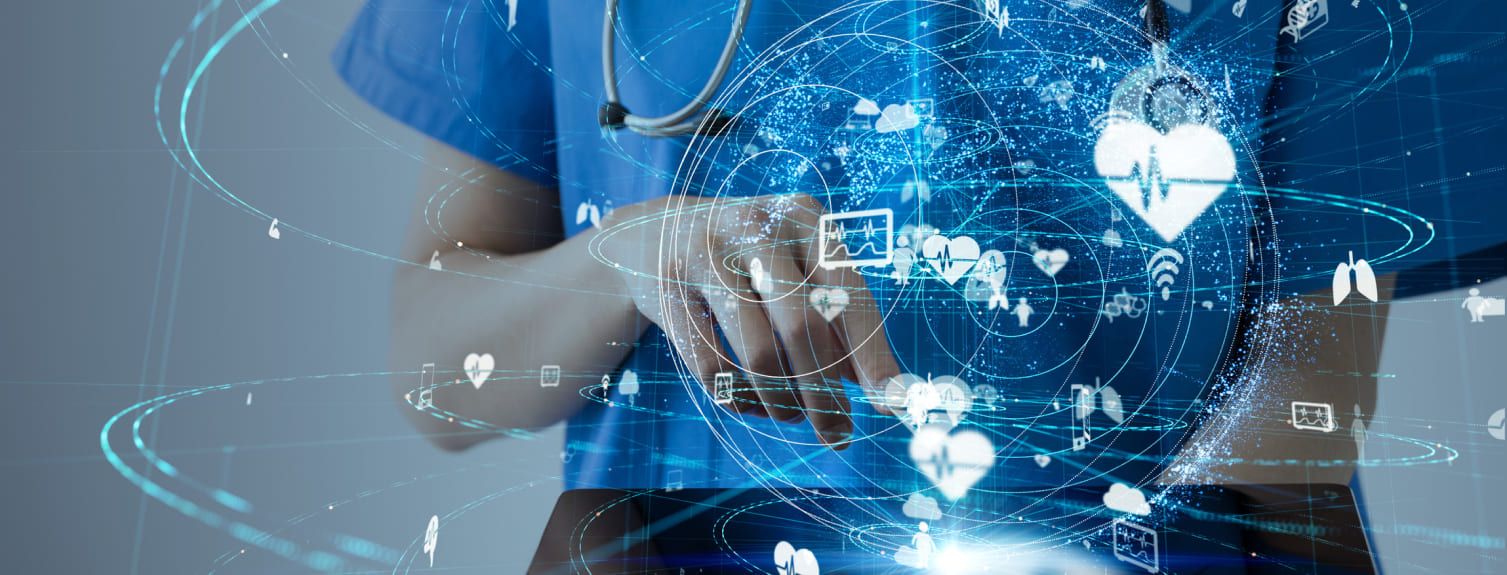
Technology has improved every aspect of our lives and it continues to shape our world. Things we could never have imagined or dreamed of in the past are now part of our daily lives. Like every other sector, the healthcare industry is benefiting from this digital transformation. Have you heard of the term “Medical Industry 4.0”? Let me explain: Thanks to technologies such as artificial intelligence, automation, big data, and the Internet of Things (IoT) in the healthcare field, life is becoming easier for both patients and healthcare professionals.
Going to the hospital used to be a real hassle. Making an appointment, waiting in line, registering at the reception desk, checking in, waiting for the doctor... With the pandemic affecting our lives in 2020, major changes took place. Telemedicine entered our lives and its use increased significantly and became widespread. Thanks to smart watches, heart rate can be monitored, and if an abnormality is detected, a notification can be sent to the doctor immediately or contact can be made. With IoT-based patient monitoring systems, doctors can continuously observe their patients' health conditions and only intervene when critical situations require it. Thanks to these developments, access to healthcare services has become more efficient.
We can also see the greatest impact and transformation in healthcare technologies on the industrial side, namely in the production of medical devices. Thanks to smart production systems, medical devices are being manufactured at lower costs, with higher quality and precision. AI-powered analyses can speed up error diagnoses and increase accuracy rates. For example, medical imaging systems now use deep learning algorithms to detect small details that may escape the doctor's eye.
As 3D printing technologies appear everywhere/in every sector, they are also widely used in healthcare, as expected. Their applications cover a wide range, from personalized prosthesis to artificial organs. In this process, surgeries become much more successful, while treatment time is reduced. In particular, alternative solutions are being sought in bioprinting technologies for many important issues such as organ transplantation and cancer treatment.
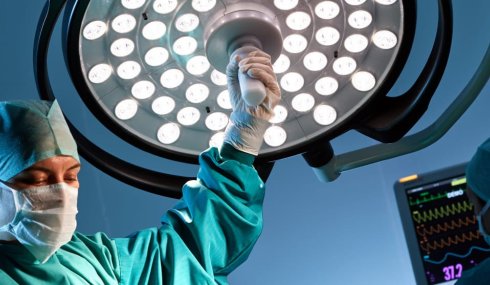
We certainly expect to see the impact of Industry 4.0 in hospitals as well. Change is felt everywhere. Robotic surgical systems now both facilitate surgeons' work and minimize the margin of error. Compared to traditional methods, they can significantly reduce the possibility of fault.
By automating patient admission and discharge processes in digital hospital management systems, it is possible to see the impact of digital transformation on healthcare workers. It significantly reduces the workload. In some hospitals, many operations, from medication distribution to patient bed management, are managed by artificial intelligence-supported automation systems.
Now that we have discussed the positive aspects of digitalization at length, we need to address its dark side. This raises the question... Is this digitalization as innocent as it seems? Cyberattacks in the healthcare sector in particular, have increased significantly. Many hospitals' systems have been targeted by ransomware. This situation has highlighted the need for robust security protocols and AI-powered security solutions in hospital information systems.
So how much of an impact are these technological developments having on our lives during this process? Thanks to AI-powered systems, diseases can be diagnosed earlier and more accurately. Patients can receive healthcare without having to constantly visit the hospital, thanks to remote monitoring systems. Digitalization and automation are reducing hospitals' operational costs, making healthcare more affordable and accessible. Remote healthcare services, which are particularly convenient for chronic patients, allow instant connection with doctors via the internet.
As technology continues to advance at this rapid pace, new opportunities are also likely to emerge in the healthcare sector. In the coming years, personalized treatment methods, systems that predict diseases through genetic analysis, and fully digital hospitals may become part of our lives. The most important thing in this process is that both patients and healthcare professionals are able to adapt to these technologies. The future of healthcare is being shaped by technology, and keeping up with this change will benefit everyone.
Do you think healthcare technologies are advancing fast enough? Could smart systems replace doctors?